St. Sebastian
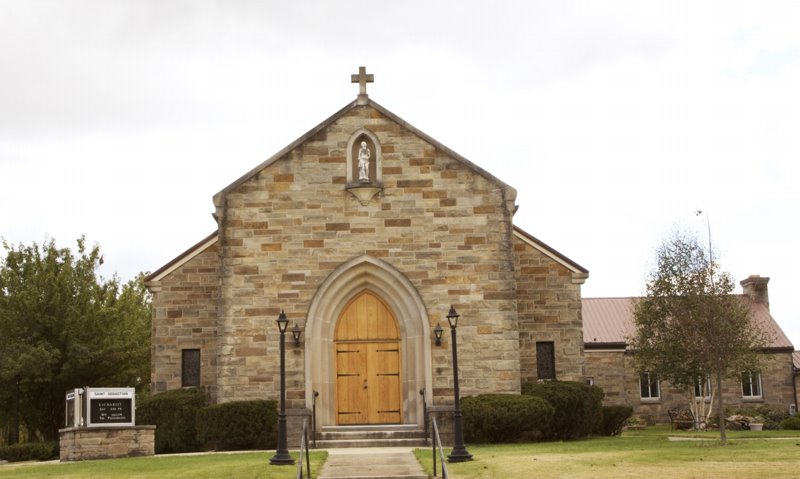
St Sebastian Weekend Mass Times
- Saturday at 6 pm
- Sunday at 10:30 am
St. Sebastian Weekday Mass Time
- TBD
St. Sebastian was a soldier in the Roman army beginning in 283 AD. Not much is known of early life but his excellent work in the Roman army elevated him to the Praetorian Guard to protect Emperor Diocletian. While working as a guard, two Christian brothers, Marcus and Marcellian, were imprisoned for refusing to make sacrifices to Roman gods. Up to this point, St. Sebastian had kept his own Christian faith secret but when the brother’s parents visited their sons to try to convince them to renounce Christianity, St. Sebastian led them to conversion to Christ instead. This was discovered and he was reported to Diocletian as a Christian. He was led to a field, tied to a stake, and was used as target practice for the army. It was said he was “full of arrows as an urchin” and left for dead. Irene of Rome, whose husband was also a martyr of the faith, recovered him from the field and nursed him back to health. Once well, St. Sebastian sought out Diocletian, and finding him on a stairwell, publicly criticized him for the persecution of Christians. Diocletian remained stubborn and ordered St. Sebastian to be beaten to death with clubs and his body was thrown in the sewer. Another Christian woman, Lucina, recovered his body and buried him in the catacombs beneath Rome. In 367 his remains were moved to a basilica in Rome and some of the relics of his body were shared with a community of monks in France and his cranium was sent to a special reliquary in Ebersberg where it remains to this day. He is the patron saint of athletes, soldiers, and those who desire a saintly death and his feast day is January 20th.
Contact Information
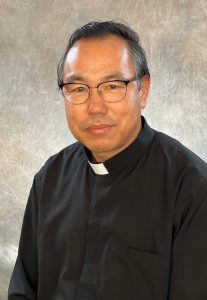
Priest: Rev. Dominic Athishu
Secretary: Karen Kurilko
Director of Religious Education : Cindy Riggins
Summer Home Repair: Joyce Radabaugh
Phone: (304) 329-1519
Email: prestoncountycatholic@gmail.com
Mailing Address:
St. Sebastian Church
322 East Main St.
Kingwood, WV 26537-1237
Physical Address:
322 East Main St,
Kingwood WV 26537
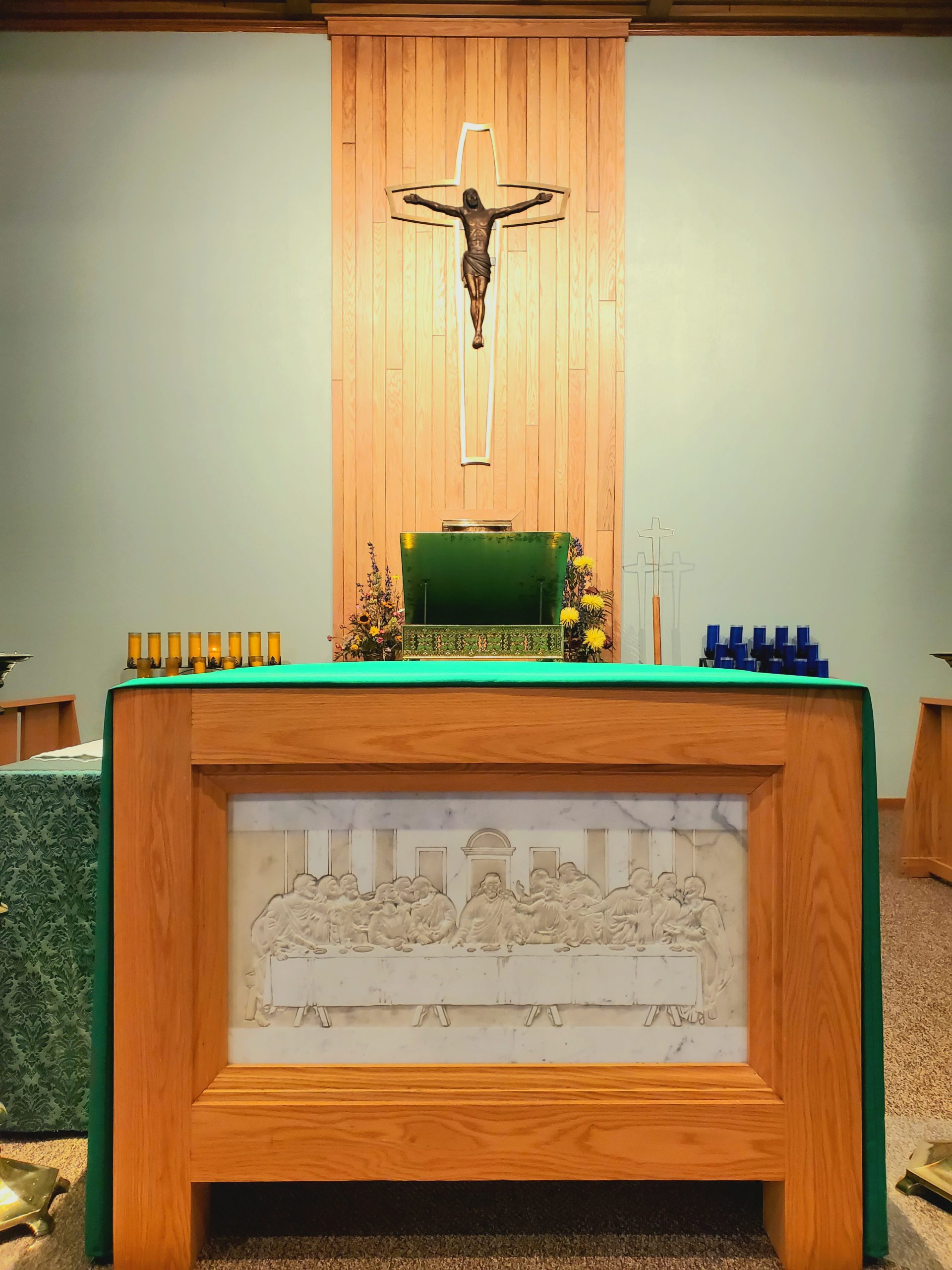
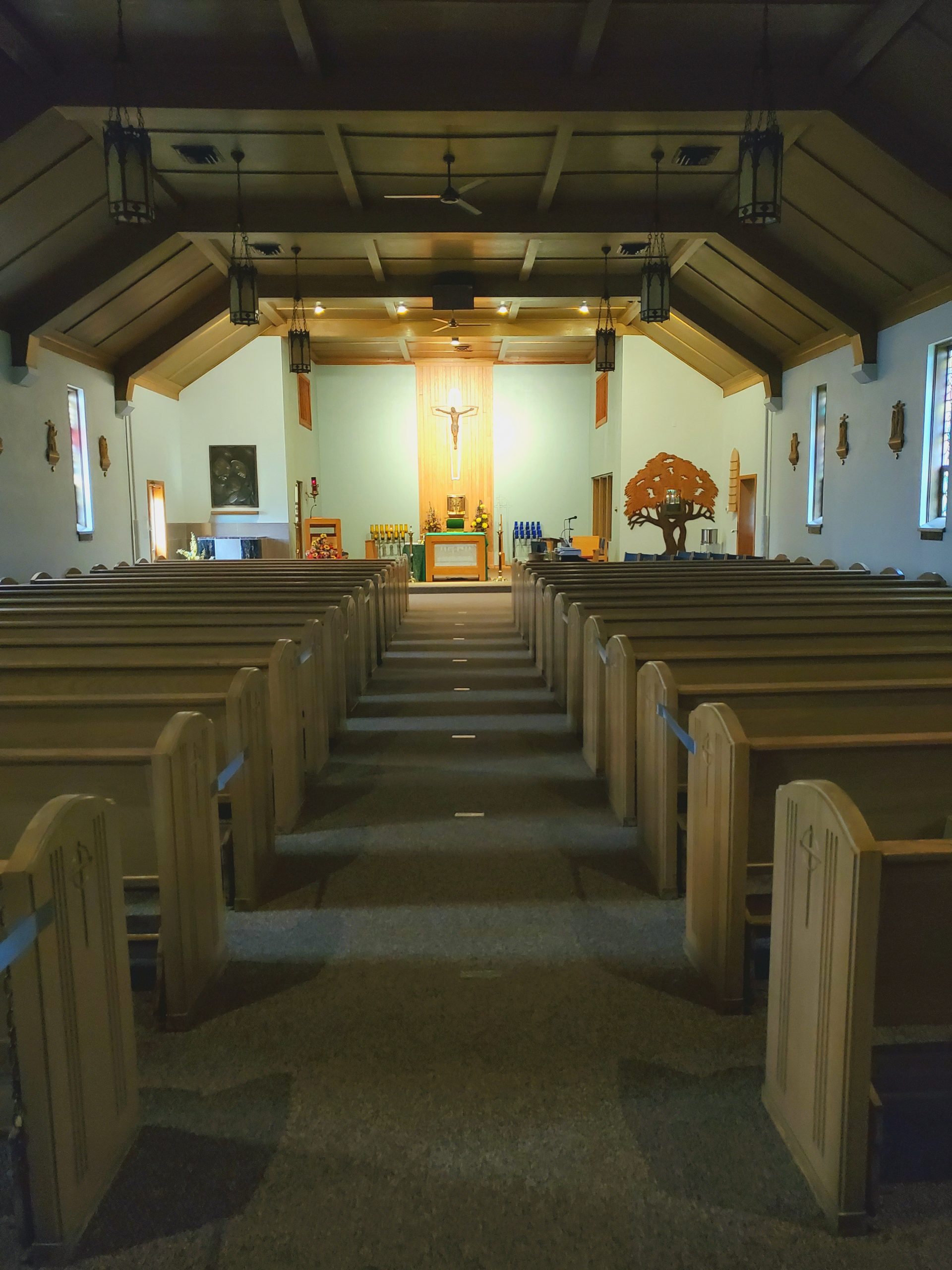
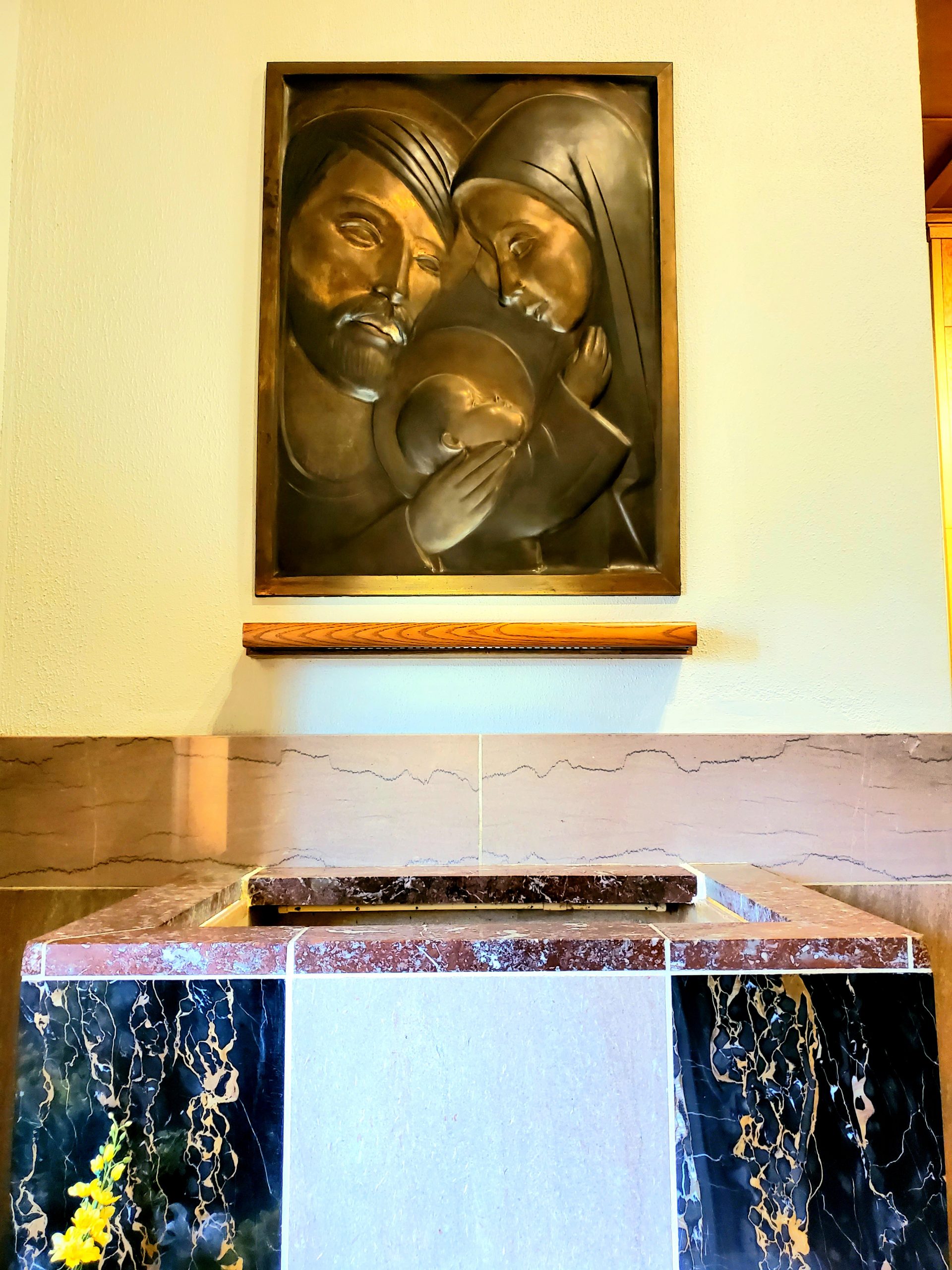
Parish Photos